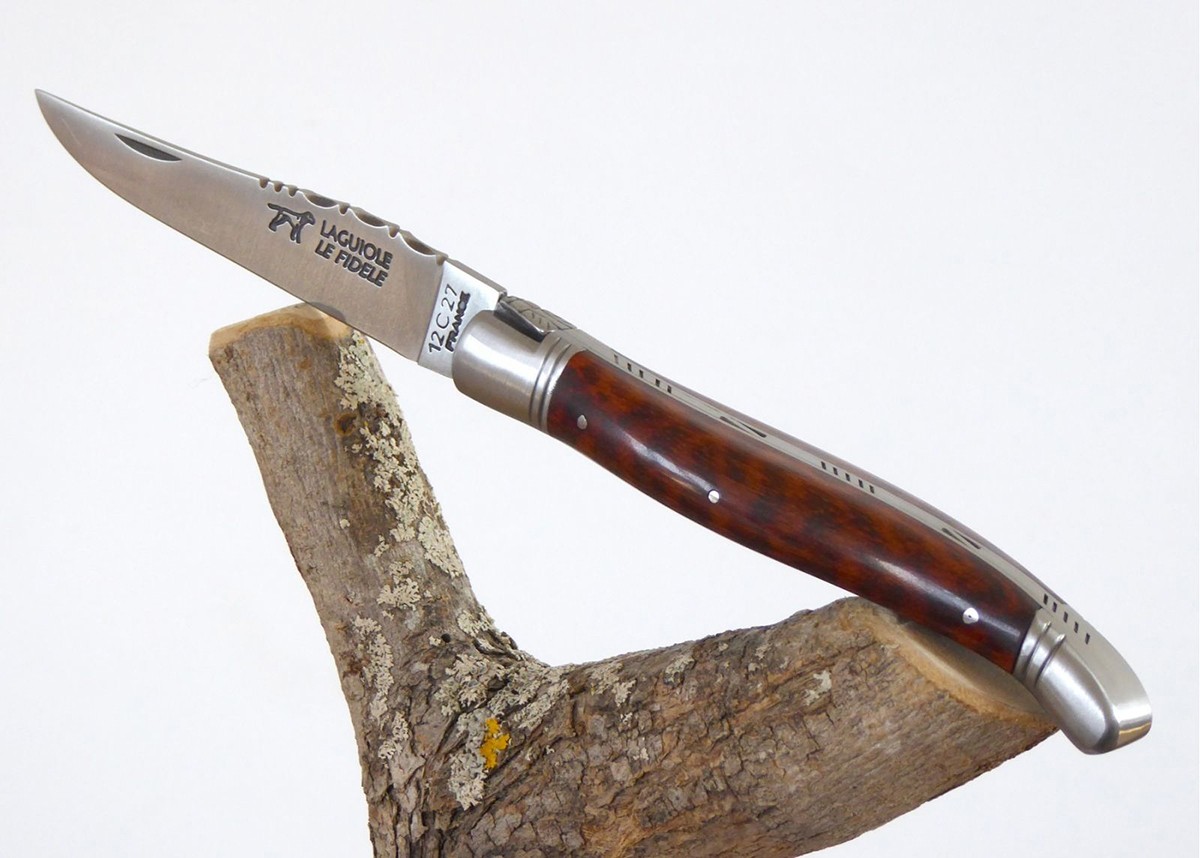
It's easy to assume craftsmanship is just marketing language, but with laguiole knives it actually determines how the piece performs for decades. This article looks at what French craftsmanship really involves and why it continues to separate genuine pieces from mass produced imports flooding the market.
What Does Craftsmanship Actually Mean in This Context?
Craftsmanship here refers to smaller batch production, skilled manual shaping, and a level of attention that automated factories simply can't replicate. Each step, from shaping the blade to fitting the handle, involves decisions a skilled maker adjusts based on the specific piece in front of them.
Why Does Small Batch Production Matter?
Smaller production runs allow workshops to catch inconsistencies before a piece leaves the shop. A factory pumping out thousands of identical units daily doesn't have that same margin for individual attention, which often shows up later as loose joints or uneven edges once the knife sees regular use.
The Handle Fitting Process
Handle fitting, especially with natural materials like horn or wood, requires adjusting each piece individually since no two natural materials are perfectly identical. This step alone separates handmade pieces from injection molded imitations that look similar in photos but feel noticeably different in hand.
Blade Shaping and Edge Work
Skilled shaping affects how well a blade holds an edge over time, not just how sharp it feels on day one. This is often the most overlooked part of craftsmanship, since it's invisible until months of actual use reveal whether the edge was properly formed from the start.
Why This Detail Gets Missed So Often
Buyers rarely notice edge quality until they've used the knife regularly for a while, which is exactly why marketing photos can't be trusted as the sole basis for judging craftsmanship. It genuinely takes hands on use to reveal the difference.
How Does Laguiole French Knives Track This Craftsmanship?
Laguiole French Knives has maintained direct relationships with selected French workshops for more than 20 years, with the founders personally visiting manufacturers and following how collections, materials, and techniques evolve over time. That kind of ongoing, firsthand involvement is rare in an industry where many sellers never actually see the workshop floor.
This matters because craftsmanship isn't static. Techniques shift, materials change availability, and finishes improve over years of refinement. A source that tracks these changes closely tends to offer more consistent quality than one that simply reorders stock without understanding what's actually changed in production.
Does Craftsmanship Justify a Higher Price?
Generally, yes. Skilled labor and smaller production runs cost more to maintain than automated mass manufacturing, and that cost shows up in the final price. Buyers looking specifically for genuine laguiole knives should expect to pay somewhat more than they would for an unnamed factory import, and that difference usually reflects real labor rather than markup alone.
Checklist
- Ask whether the piece was shaped by hand or machine finished entirely
- Check whether handle materials are natural and individually fitted
- Confirm the workshop's location and manufacturing process directly
- Compare weight and balance against known factory imports if possible
Someone genuinely comparing options for a laguiole knife should walk through this checklist before purchasing, since craftsmanship differences are far easier to confirm beforehand than to fix after the fact.
Conclusion
French craftsmanship isn't just a selling point, it's the actual reason these knives perform and last the way they do. Understanding what goes into small batch production, handle fitting, and blade shaping helps buyers recognize genuine quality instead of relying purely on branding or price.
FAQs
Does craftsmanship really affect how long a knife lasts?
Yes, skilled shaping and fitting directly affect durability and edge performance over years of regular use.
Why do handmade pieces cost more than factory imports?
Because smaller batch production and manual labor cost more to maintain than automated mass manufacturing.
Can I tell craftsmanship quality from photos alone?
Not reliably. Details like edge shaping and handle fitting are usually only noticeable through actual hands on use.